By Nicolas Jacobeus on December 12, 2025

Key Highlights
-
Testimonials are one of the strongest forms of social proof for building trust and credibility.
-
Strategic placement across home, product, and pricing pages helps guide potential buyers toward conversion.
-
Mixing formats like text, video, and case studies creates authenticity and emotional connection.
-
A consistent design concept for displaying customer testimonials on your website improves readability and brand alignment.
-
Ethical practices, such as obtaining permission and verifying accuracy, maintain transparency and trust.
-
Regularly refreshing testimonials keeps your content relevant and reflects ongoing customer satisfaction.
-
SaaSpirin helps you turn client testimonials into compelling brand stories that inspire action and build lasting credibility.
You’ve probably seen it before. A company fills its homepage with polished claims and sleek visuals, yet visitors scroll past without taking action. The product has value, but the audience doesn’t feel it. In a space crowded with confident voices, buyers are searching for something real.
That’s where testimonials make the difference. Genuine feedback from real customers cuts through skepticism faster than any sales pitch. The problem is that many businesses collect great testimonials but display them poorly. They hide them on a single page or present them in ways that fail to connect with potential clients.
This blog will show you how to fix that. You’ll learn how to display testimonials on your website effectively, create designs that capture attention, and use real stories to build credibility that converts visitors into customers.
Why Do Testimonials Matter for B2B Websites?
For B2B brands, customer testimonials are one of the most trusted forms of social proof. They show real customers solving common pain points, making your brand’s value tangible. Whether shared on social media, through video testimonials, or as detailed case studies, this kind of authentic feedback helps in building trust and influencing potential buyers.
When website visitors read positive reviews or see customer stories from satisfied customers, they form an emotional connection that drives action. B2B decisions involve high stakes, and effective testimonials help reduce uncertainty through real examples, customer quotes, and recognizable company logos.
According to Forrester’s “B2B Brand and Communications Survey,” over 90% of respondents say that B2B buyers “completely or somewhat trust” peers in their industry, and a further 85% trust customers of vendors. Simply put, testimonials are a powerful tool within any marketing strategy that turns credibility into conversion.
How To Display Testimonials on Your Website?
A well-placed testimonial can do more than fill space. It can reassure, inspire, and persuade at the exact moment your target audience needs proof. Below, we’ll look at how to make every testimonial count across your site.
1. Place Testimonials Strategically Across the Site
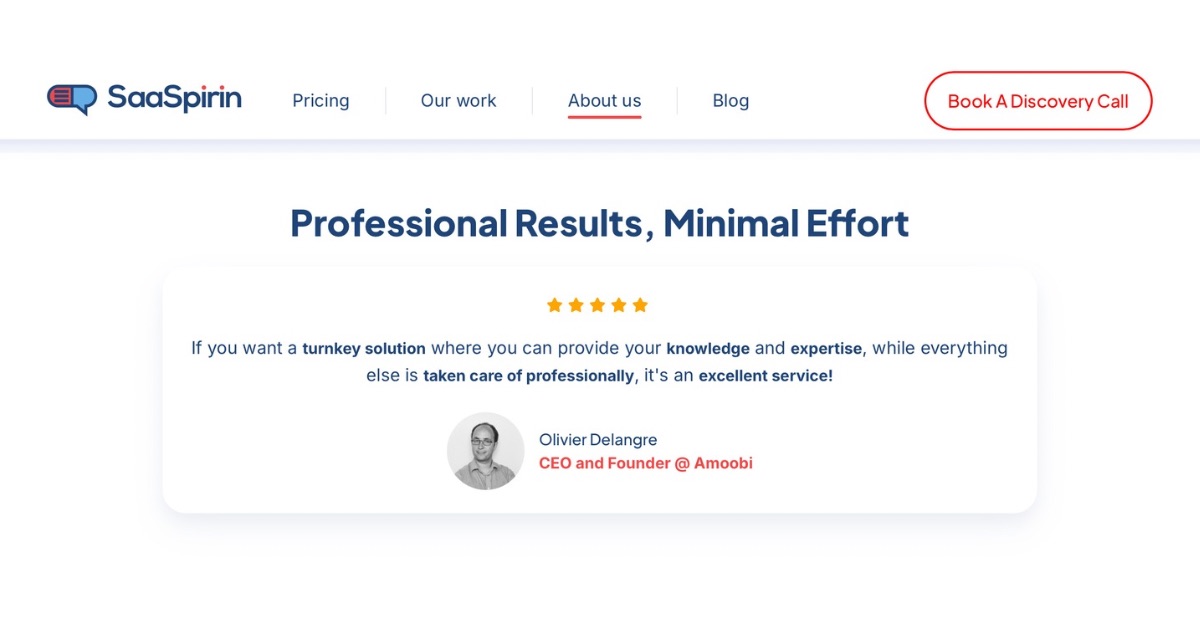
Thoughtful placement ensures your testimonials support key conversion moments. You want them to appear where potential buyers are most likely to make a decision. Here are a few areas to focus on:
-
Homepage:
-
Use short, high-impact quotes or a rotating slider.
-
Showcase recognizable client names to build instant trust.
-
-
Product or Service Pages:
-
Add testimonials that highlight measurable results or specific benefits.
-
Focus on reviews that address your audience’s most common pain points.
-
-
Pricing or Checkout Pages:
-
Include brief confidence-boosting quotes to ease last-minute hesitation.
-
Reinforce your value with customer stories that prove ROI.
-
-
About Page:
-
Feature authentic customer voices that humanize your brand.
-
Let real people share how your business made a difference.
-
2. Use Multiple Formats for a Stronger Impact

Different types of testimonials appeal to different readers, so variety matters. Mix media and formats to create both emotional and logical appeal. Here are a few pointers to keep in mind:
-
Combine short written quotes, video testimonials, and concise case studies.
-
Include user-generated content or social media mentions to boost authenticity.
-
Highlight logos of featured clients to strengthen credibility and authority.
-
Add occasional use case snippets that show how specific clients benefited.
3. Match Your Website’s Visual Design
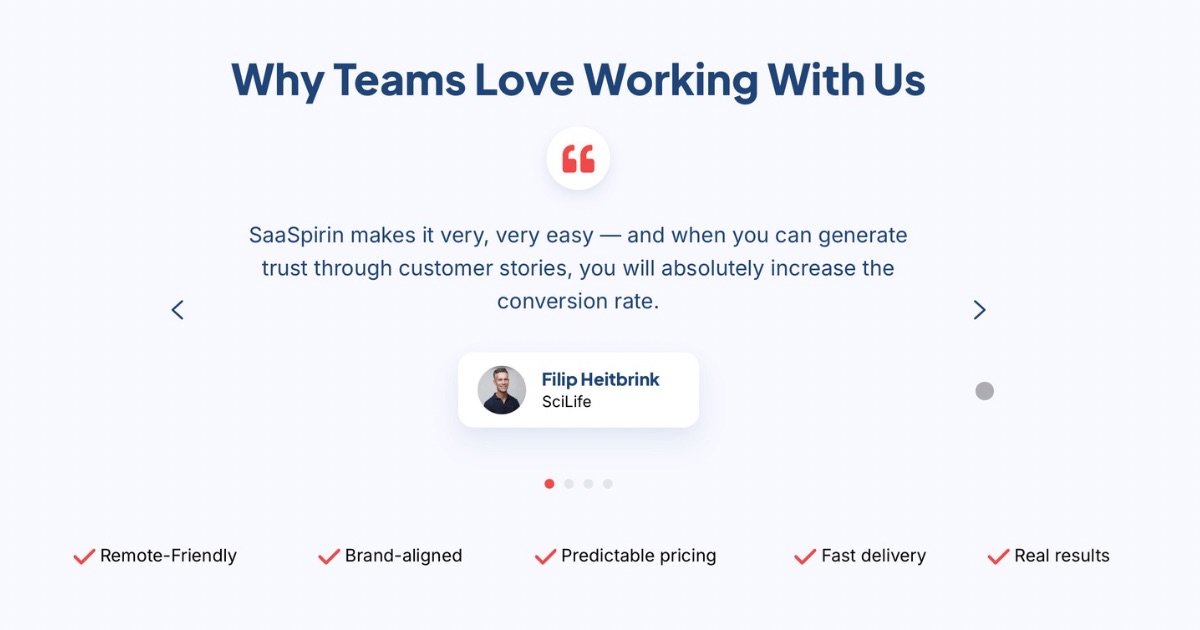
Even the most powerful testimonial can lose its effect if it clashes with your overall layout. Choose a design concept for displaying customer testimonials on your website that reflects your brand’s tone, layout, and personality. The goal is to make testimonials feel like a natural extension of your website’s look and tone. Here’s how you can do that:
-
Maintain a clean layout with balanced colors and consistent typography.
-
Add customer headshots or team photos to create a human connection.
-
Use design elements like borders, shadows, or subtle animations to make testimonials stand out.
-
Link to client websites or company pages to enhance transparency and improve SEO value.
When done right, strategic placement, diverse formats, and cohesive design turn simple testimonials into conversion-driving proof that builds credibility and keeps visitors engaged from the first click to the final decision.
What Are the Best Design Ideas for Displaying Customer Testimonials on Your Website? (With Real-World Examples and Inspiration)

Good design turns simple feedback into persuasive proof. A well-structured client testimonials display can instantly boost credibility and engagement. The key is to keep your testimonials clean, readable, and visually balanced while guiding visitors naturally toward trust and conversion.
1. Create Carousel Sliders for Multiple Testimonials Without Clutter
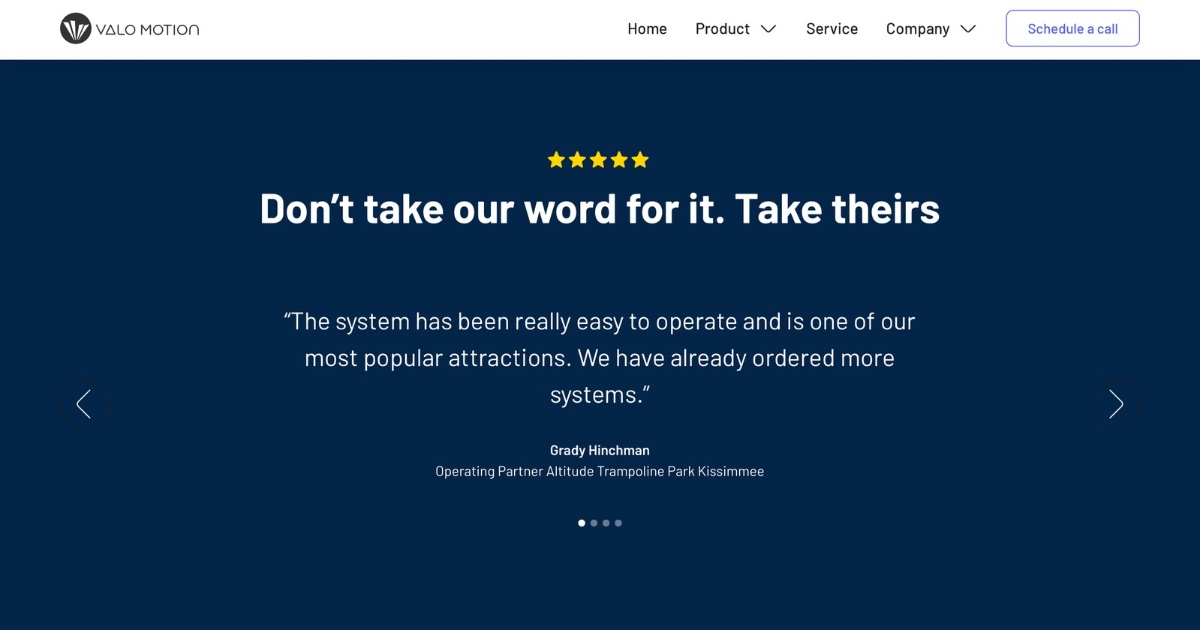
Carousel sliders let you showcase multiple voices without overwhelming your layout. Keep transitions smooth, highlight short quotes, and include headshots or company logos for instant credibility.
For example, Valo Motion uses a full-screen carousel of testimonials with concise, impactful text and readable fonts, offering dynamic yet clutter-free displays.
2. Pair Testimonials With Performance Metrics
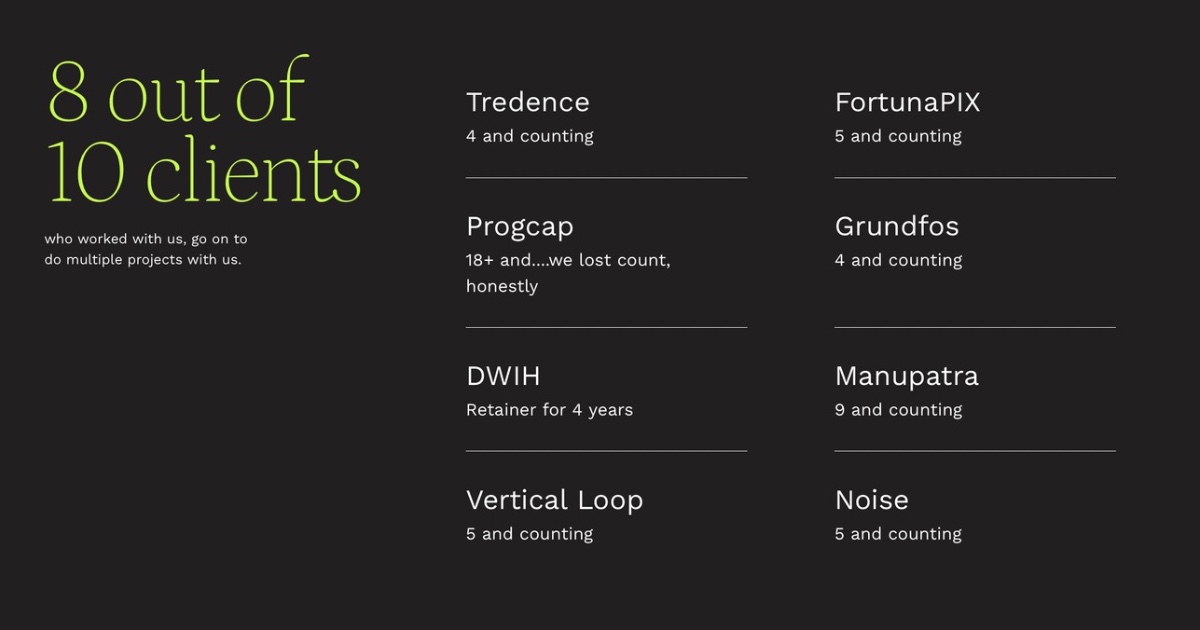
Numbers give customer feedback extra power. Pair short quotes with data-driven results like “200% ROI increase” or “30% faster project delivery” to show measurable success.
For instance, Everything Design displays a strong statement like "9 out of 10 clients return for more projects" alongside a list of clients and the number of projects they’ve done together, making their testimonials more impactful and quantifiable.
3. Showcase Logos or Trust Badges Near Testimonials for Quick Validation
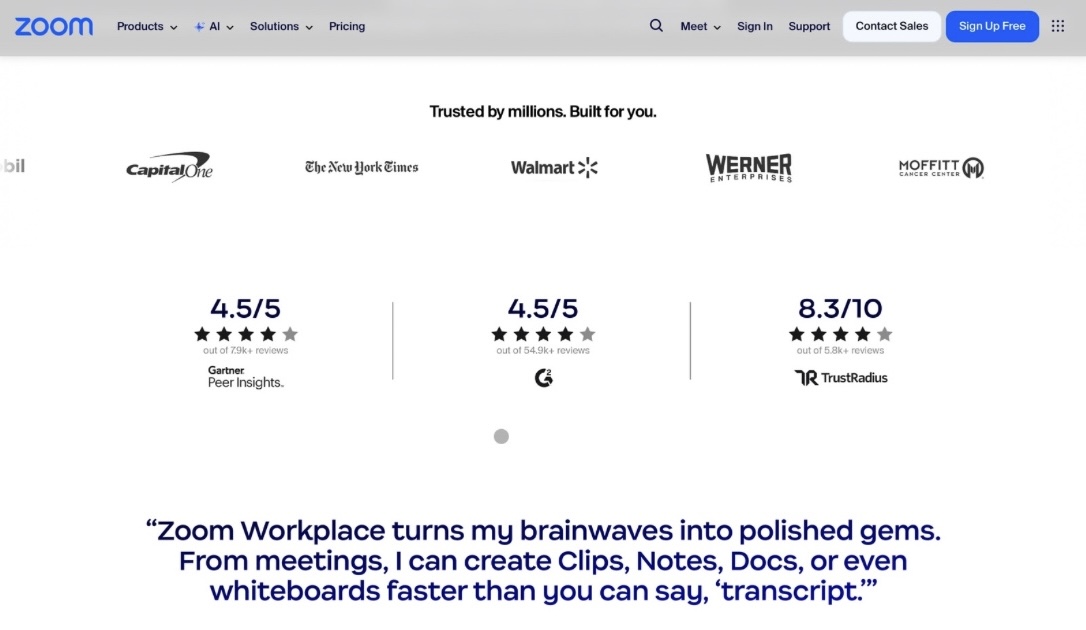
Recognizable logos and trust badges instantly boost credibility. Featuring them near testimonials reassures visitors that your results are backed by real, satisfied customers.
Zoom does this effectively by pairing trusted client logos like Capital One and The New York Times with review ratings from Gartner, G2, and TrustRadius, creating a strong blend of social proof and third-party validation that builds instant trust.
4. Add Social Proof from Multiple Platforms (Google Reviews, Yelp or Social Media)
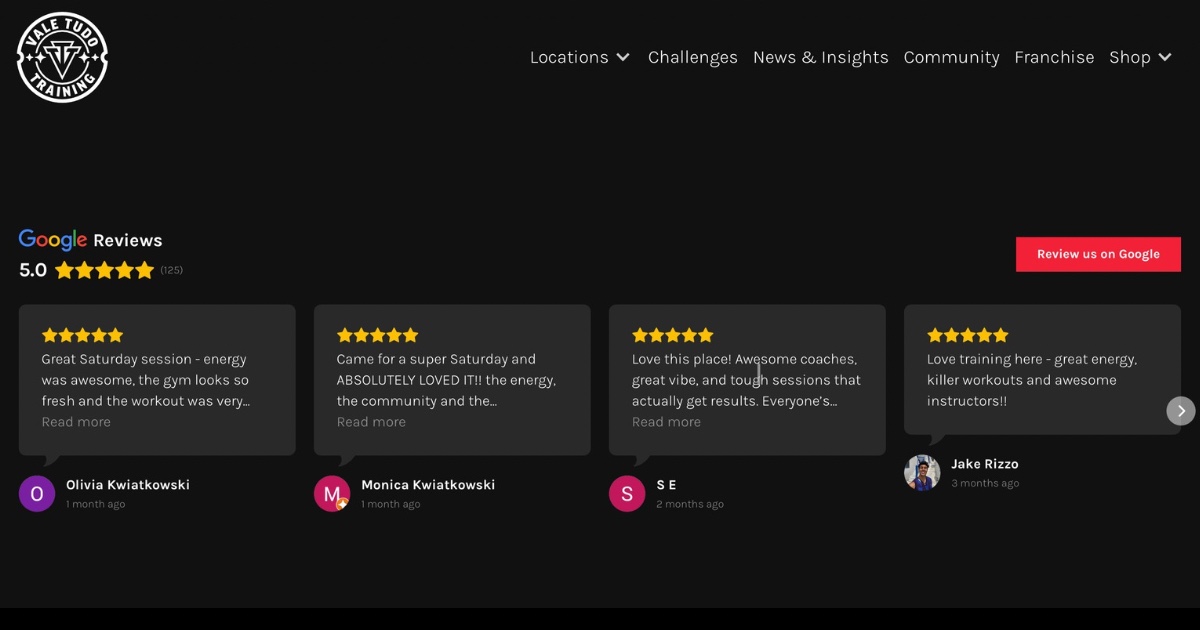
Curate and display testimonials not just from your website but from multiple platforms like Google Reviews, Yelp, or social media. This adds depth and reinforces credibility across different channels where potential customers are already engaging with your brand.
Vale Tudo seamlessly integrates Google Reviews on their site, displaying five-star feedback directly pulled from Google, ensuring transparency and trust.
5. Incorporate Video Testimonials with Personal Stories

Add video testimonials featuring real customers sharing their experiences in a personal and engaging way. Video testimonials create stronger emotional connection and convey authenticity far better than text alone.
Everything Design does this effectively by featuring clients in short, well-produced videos. Each testimonial focuses on genuine project outcomes and personal experiences, making potential clients feel confident in the brand’s reliability and quality of delivery.
Looking for inspiration? Explore a few powerful client testimonial examples to see how real brands turn customer stories into trust-building assets.
What Are the Most Effective Steps To Add and Maintain Testimonials on Your Website?
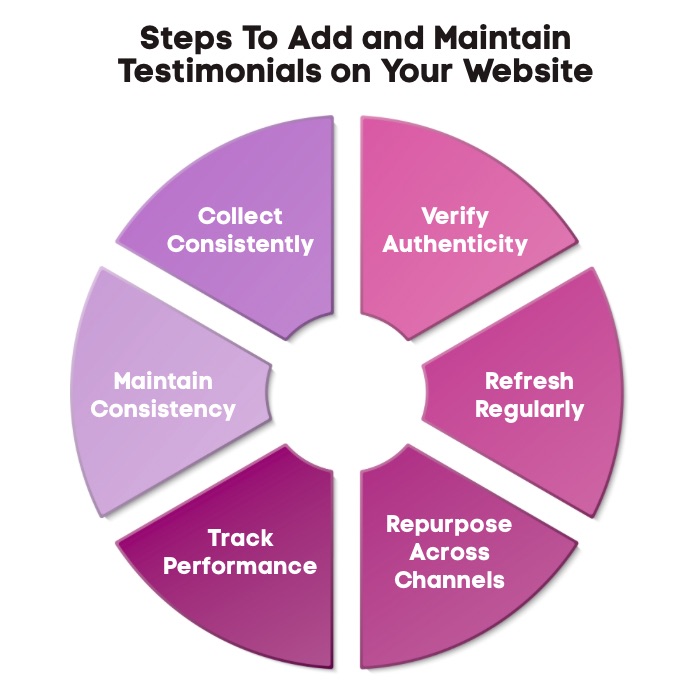
Once your testimonials are live, maintaining them is just as important as collecting them. Keeping them accurate, updated, and consistent ensures they continue building credibility with potential clients. Here are a few key steps to follow:
-
Collect Consistently: Ask for testimonials after successful projects, key milestones, or great customer service interactions. Use short forms or follow-up emails to make the process effortless.
-
Verify Authenticity: Double-check names, titles, and quotes before publishing to ensure accuracy and maintain transparency with your audience.
-
Refresh Regularly: Replace outdated testimonials with new stories that reflect current client experiences, recent achievements, or updated performance results.
-
Repurpose Across Channels: Share your best testimonials on social media, newsletters, and landing pages to increase reach and strengthen brand trust.
-
Track Performance: Monitor which testimonials get the most views or clicks using analytics tools. Identify the formats and placements that generate the best engagement.
-
Maintain Consistency: Align every new testimonial with your website design, tone, and branding for a cohesive, professional presentation.
Keeping testimonials fresh and authentic is an ongoing task, not a one-time update. When managed well, they become lasting proof of credibility that continues to influence decisions long after publication.
What Ethical and Legal Considerations Should You Follow When Displaying Testimonials?
Displaying testimonials responsibly builds more than trust; it protects your reputation and ensures compliance. When handled ethically, testimonials become a reliable reflection of your brand’s integrity. Here are the key principles to follow:
-
Obtain Permission: Always secure consent before publishing any testimonial. Use a simple testimonial consent form that clearly explains how the feedback will be displayed and where it may appear.
-
Respect Ownership: Avoid copying or repurposing reviews from third-party sites without authorization. Every testimonial should come directly from your client or customer to ensure full rights and transparency.
-
Disclose Compensation: If a testimonial comes from a paid partner, affiliate, or incentivized client, be upfront about the relationship. Disclosure maintains honesty and aligns with FTC endorsement guidelines.
-
Verify Accuracy: Regularly review your testimonials to ensure quotes, names, and job titles remain current. Outdated or inaccurate details can unintentionally mislead potential customers.
-
Protect Privacy: When publishing testimonials, remove any sensitive or identifying details your client hasn’t approved. Clear communication prevents misunderstandings and keeps trust intact.
Ethical testimonial use isn’t just good practice; it’s smart business. When your reviews are permissioned, accurate, and transparent, they reinforce the credibility that keeps potential customers confident in choosing your brand.
What Common Mistakes Should You Avoid When Displaying Testimonials?
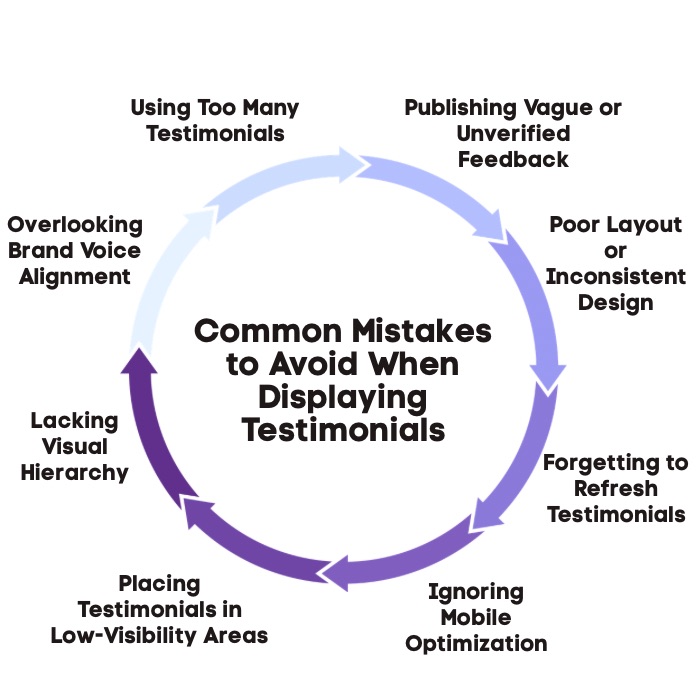
Even strong testimonials can lose their impact if they’re not used strategically. To make your social proof work its best, avoid these common mistakes that can quietly undermine credibility and reduce conversions.
1. Using Too Many Testimonials
Including every review might seem impressive, but it can overwhelm visitors. Focus on quality over quantity by featuring only the most relevant and persuasive testimonials that speak directly to your target audience.
2. Publishing Vague or Unverified Feedback
Generic or unverified comments can weaken trust. Use testimonials that highlight specific outcomes, clear improvements, or meaningful experiences, and always confirm their authenticity before publishing.
3. Poor Layout, Design, or Tone Consistency
A cluttered or inconsistent testimonial section can distract readers and harm credibility. Keep the design clean and balanced with consistent typography, white space, and visual hierarchy. Make sure each testimonial aligns with your brand’s tone and personality.
4. Forgetting to Refresh Testimonials
Outdated testimonials can make your business seem inactive. Regularly update your testimonial page with recent feedback, new clients, or updated client success stories that reflect your current performance.
5. Overlooking Mobile Optimization
Many visitors browse on mobile devices. Ensure testimonials look sharp and readable on smaller screens, with properly scaled text, images, and spacing that enhance the mobile experience.
Avoiding these mistakes keeps your testimonials professional, engaging, and credible, helping potential customers feel confident that your business consistently delivers real results.
How Can You Measure the Impact of Your Testimonial Display?
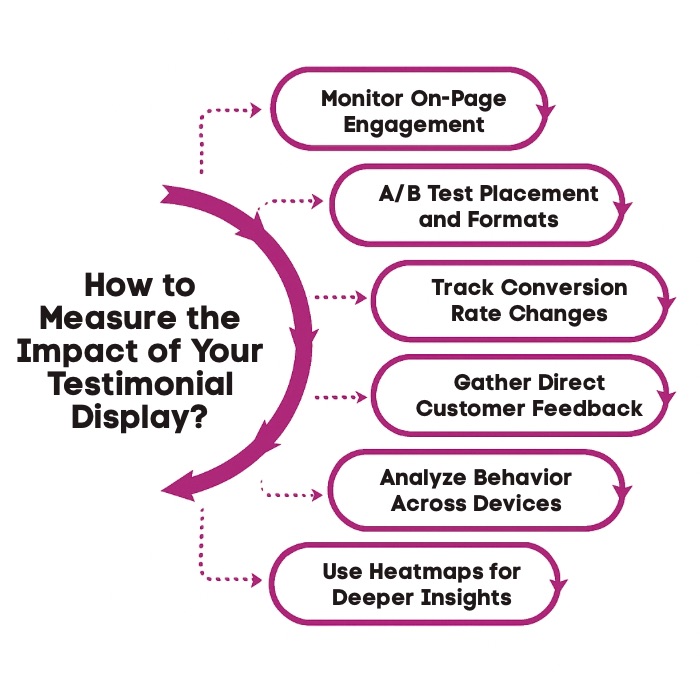
Adding testimonials is only the first step; measuring how well they perform helps you understand what truly builds trust and drives conversions. Here’s how to track and improve their effectiveness.
-
Monitor On-Page Engagement: Track metrics such as time on page, scroll depth, and clicks using tools like Google Analytics or Hotjar to understand how visitors interact with your testimonials.
-
A/B Test Placement and Formats: Experiment with different placements and formats (e.g., slider vs. grid, above vs. below call to action) to find which version influences conversions the most.
-
Track Conversion Rate Changes: Measure how changes to your testimonial display impact performance metrics like demo sign-ups, quote requests, or purchases. Compare conversion rates before and after updates.
-
Gather Direct Customer Feedback: Use short post-purchase surveys or website polls to ask visitors if testimonials influenced their decision to contact or buy from you.
-
Analyze Behavior Across Devices: Monitor how testimonials perform on mobile vs. desktop. Ensure your layout engages users across all devices effectively.
-
Use Heatmaps for Deeper Insights: Utilize heatmaps to see where users spend the most time or hover on a page. If testimonials get consistent attention, your design and positioning are likely on point.
Measuring performance turns your testimonial display into a data-driven strategy. When you understand what resonates most, you can fine-tune design, placement, and messaging to convert credibility into measurable business growth.
Need help getting great testimonials without sounding salesy? Read our blog for simple, authentic ways to ask clients for testimonials that feels natural and builds stronger relationships.
How We Help You Turn Testimonials Into Powerful Brand Stories
We know collecting testimonials is one thing, but turning them into stories that actually build trust is another. That’s where we come in.
At SaaSpirin, we help you transform real customer feedback into high-quality marketing assets that drive credibility and conversions. We handle everything for you, from reaching out to your clients and conducting interviews to editing videos, writing stories, and creating shareable assets for your website and social channels.
Your client testimonials become professional video case studies, success stories, and proof-driven content that show real results. We make sure each story feels authentic, aligns with your brand voice, and helps potential customers connect with what makes your business different.
Our done-for-you approach takes the pressure off your team while ensuring your social proof stays consistent and impactful.
Book a discovery call to see how we can turn your customer stories into powerful brand assets that earn trust and drive growth.
Conclusion
Displaying customer reviews and testimonials effectively turns feedback into trust and growth. By combining thoughtful design, authenticity, and consistency, testimonials help visitors relate to success stories and take confident action. Start by refining your collection process, gathering honest insights, and regularly updating your site with fresh stories that reflect ongoing success.
These small improvements can significantly enhance your credibility, increase conversions, and attract new customers who believe in your business, helping you build long-term relationships and grow your brand’s reputation.
Frequently Asked Questions
How do I embed customer testimonials easily on my website?
You can embed customer testimonials using various tools that allow you to collect, customize, and insert testimonials through simple embed codes or widgets. , facilitating effective testimonial collection. These tools make it easy to match your website’s design without requiring advanced technical skills, streamlining the process of adding authentic feedback to your site.
How do you use customer testimonials?
Use customer testimonials to build trust and credibility by adding them to your homepage, product pages, and emails. Highlight real customer experiences that show specific results or benefits to help potential buyers relate and make confident decisions.
How to show reviews on a website?
Show reviews on your website through visually appealing formats such as sliders, grids, or dedicated testimonial pages. Include customer names, photos, and company details when possible to make the feedback more authentic and engaging for visitors.
How do top websites display their customer testimonials?
Top websites display testimonials strategically across multiple pages. They feature short quotes near call-to-action sections, use video testimonials for authenticity, and include detailed case studies to showcase measurable results and build stronger trust with potential customers.
Which places on a website are most effective for showing testimonials?
The most effective places to show testimonials are your homepage, product or service pages, pricing pages, and checkout sections. Adding testimonials in these areas reinforces trust at key decision points and helps increase conversions.

What Are Some Advanced Strategies for Using Case Studies to Reduce Decision Time in B2B Sales?
.png)
What Is the Goal of a Testimonial for Conversions in 2026?